Orange fruit Nutrition facts
Delicious and juicy orange fruit contains an impressive list of essential nutrients, vitamins, and minerals for healthy growth and development and overall well-being.
Botanically; orange is the citrus fruit belonging to the Rutaceae family, of the genus; Citrus. The family also includes other related species of oranges such as pomelo, tangerine (mandarin orange), yuzu, lemon, and grapefruit.
Scientific name: Citrus sinensis.
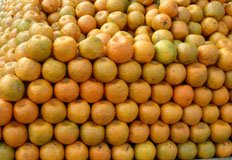
|
| Oranges-Citrus sinenesis. |
Orange is a tropical to semitropical, evergreen, small flowering tree, growing to about 5 to 8 m tall, and bears seasonal fruits that measure about 3 inches in diameter and weigh about 100-150 g. Oranges are classified into two general categories, sweet and bitter, with the former being the type most commonly consumed type. Traditional sweet varieties include Valencia, Navel, Persian variety, and blood orange.
|
|
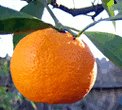
| Tangerine. Photo courtesy: orphanjones |
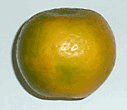
Nagpur (India) orange. |
Tangerines are related varieties of oranges distinguished by loose, easily peeled skin (pericarp) and sweet juicy flesh (arils). They are also known as mandarin oranges in Europe and Satsumas in Japan. Just as oranges, they too belong to the Rutaceae (Citrus Family) and known scientifically as Citrus reticulata.
Fruits belonging to the citrus group are described as “hesperidium,” (A hesperidium is a scientific term to describe the fruit structure belonging to the citrus group. In fact, the fruit is a modified berry with tough, leathery rind. Orange peel contains many volatile oil glands in pits. Interior flesh is composed of segments, called carpels, made up of numerous fluid-filled vesicles that are specialized hair cells).
Health benefits of oranges
Nutrients in oranges are plentiful and diverse. It is low in calories and contains no saturated fats or cholesterol, but is rich in dietary fiber, pectin. Pectin, by its virtue as a bulk laxative, helps protect the mucosa of the colon by decreasing its exposure time to toxic substances as well as by binding to cancer-causing chemicals in the colon.
By binding to bile acids in the colon, pectin has also been shown to reduce blood cholesterol levels by decreasing its re-absorption in the colon.
Oranges, like other citrus fruits, are an excellent source of vitamin-C (provides 48.5 mg per 100 g, about 81% of DRI); Vitamin-C is a powerful natural antioxidant. Consumption of foods rich in vitamin C helps the human body develop resistance against infectious agents and scavenge harmful, pro-inflammatory free radicals from the blood.
Orange fruit contains a variety of phytochemicals. Hesperetin, naringin, and naringenin are flavonoids found in citrus fruits. Naringenin is found to have a bioactive effect on human health as an antioxidant, free radical scavenger, anti-inflammatory, and immune system modulator. This substance has also been shown to reduce oxidant injury to DNA in vitro studies.
Total antioxidant strength (ORAC) of oranges (navel variety) is 1,819 µmol TE/100 g.
Oranges also contain very good levels of vitamin-A, and other flavonoid antioxidants such as α and β -carotenes, β -cryptoxanthin, zeaxanthin and lutein. These compounds have been known to have antioxidant properties. Vitamin A also required for maintaining healthy mucosa and skin and is essential for good eyesight. Consumption of natural fruits rich in flavonoids helps the human body protect from lung and oral cavity cancers.
It is also a very good source of B-complex vitamins such as thiamin, pyridoxine, and folates. These vitamins are essential in the sense that the human body requires them from external sources to replenish.
Orange fruit also contains some amount of minerals like potassium and calcium. Potassium is an important component of cell and body fluids that helps control heart rate and blood pressure by countering the pressing effects of sodium.
Citrus fruits as such have long been valued for their wholesome nutritious and antioxidant properties. They, especially oranges, are plentiful in essential vitamins, antioxidants, and minerals that can nourish skin, hair, and internal organs.
Moreover, it is now being acknowledged that the other biologically active non-nutrient compounds in citrus fruits such as phytochemical antioxidants, soluble and insoluble dietary fiber help in cutting down cancer risk, chronic diseases like arthritis, obesity, and coronary heart diseases.
| Principle | Nutrient Value | Percent of RDA |
|---|---|---|
| Energy | 49 Kcal | 2.5% |
| Carbohydrates | 11.89 g | 9% |
| Protein | 0.94 g | 1.5% |
| Total Fat | 0.30 g | 0.5% |
| Cholesterol | 0 mg | 0% |
| Dietary Fiber | 2.50 g | 6% |
| Vitamins | ||
| Folates | 39 µg | 10% |
| Niacin | 0.274 mg | 2% |
| Pantothenic acid | 0.250 mg | 5% |
| Pyridoxine | 0.063 mg | 4.5% |
| Riboflavin | 0.040 mg | 3% |
| Thiamin | 0.087 mg | 7.5% |
| Vitamin-C | 48.5 mg | 81% |
| Vitamin-A | 230 IU | 8% |
| Electrolytes | ||
| Sodium | 0 mg | 0% |
| Potassium | 179 mg | 4% |
| Minerals | ||
| Calcium | 40 mg | 4% |
| Copper | 39 µg | 4% |
| Iron | 0.09 mg | 1% |
| Magnesium | 10 mg | 2.5% |
| Manganese | 0.023 mg | 1% |
| Zinc | 0.06 mg | 1% |
Selection and storage
Orange fruit season begins in October and lasts until February. Mature fruits are harvested from the tree using machines and thus may sustain minor superficial injuries. Such small abrasions on the fruit surfaces, however, do not influence the quality of the fruit.
In the stores, buy fresh fruits that feature firm, yet yield to gentle pressure but bounce immediately. Fresh oranges have a bright color, devoid of any wrinkles on the skin, should feel heavy for their size, and impart a sweet aroma. Avoid any overly softened fruits with spots and mold as they tend to perish early.
Oranges can be kept at room temperature for a week or so. They can keep well for up to two weeks inside the fruit/vegetable compartment of the home refrigerator. Keep them loose in a fruit container and place them in a cool place away from excessive humidity as they tend to catch mold infection early. Store freshly squeezed orange juice inside the refrigerator for later use. Store dried orange zest in a cool, dry place in an airtight glass container away from moisture.
Preparation and serving tips

|
 |
| Juicy carpels, inside the fruit. | Orange fruit juice. |
Carry oranges wherever you go without much cumbersome. Fresh oranges can be eaten at any time, any place; just wash them under running water to remove surface dirt and any pesticide residues, peel the skin, and enjoy!
To prepare, remove the skin after scoring superficially on the skin with your fingers or using a knife. Remove rind and fibers and gently peel off membranes and seeds. They usually eat this way. You can also slice the fruit horizontally into two halves and scoop out sections with a spoon.
Orange fruit juice is a well-cherished drink all over the world. Wholesome fruit, however, may be a healthier option since it carries high fiber and antioxidants.
If you wish to go for fresh orange juice, then prepare it at home instead of buying commercial drinks which may contain preservatives and artificial colorants. Bring the juice to room temperature if kept in the refrigerator.
The outermost part of the rind can be grated using a zester. This orange zest also has many culinary values for its flavorful oil glands.
Here are some Serving tips:
Orange fruit sections are a great addition to green and fruit salads.
Orange fruit juice can be a refreshing intra-day drink.
The fruit is also used in the preparation of desserts, jams, and jellies.
Orange zest (peel) also employed in the preparation of popular dishes as a flavoring agent.
Dried orange blossoms and leaves can be used in herbal tea.
Safety profile
Insecticide sprays widely applied over orange crops. Therefore, it is recommended to wash the fruits in cold running water before use. Organic orange fruits are devoid of these chemicals and are best suited for obtaining the zest. (Medical Disclaimer).
≺≺ Vitamin C Benefits, Sources, and Daily Requirements.
≻≻- Back to Fruits from Orange fruit. Visit here for an impressive list of all varieties of fruits with complete illustrations of their nutrition facts and health benefits.
≻≻-Back to Home page.
Further reading and Resources:
Stanford School of Medicine Cancer information Page- Nutrition to Reduce Cancer Risk.
JN-The Journal of nutrition- Anti-atherogenic properties of naringenin flavonoid in citrus fruits.