Food nutrition requirements and Dietary guidelines
Why, after all, do we need nutritious food?
The human body needs energy for three basic, essential functions.
Firstly, to keep cellular metabolism and organ function in homeostasis, which is known as the basic metabolic function (BMR). We all need energy, foremost, to keep our fundamental physiologic functions like respiration, heat production, blood circulation, digestive function, etc.
Secondly, to work, that is, energy spent during physical activity.
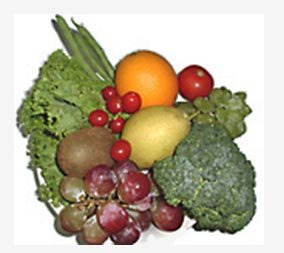
And thirdly, some additional reserves to offset emergency situations like fasting, sickness, etc. The human body gets this energy through balanced food that is complete in nutritional principles.
 |
The USDA-Food and Nutrition Information Center suggests the "recommended daily allowance" or RDA as appropriate diet scale according to the estimated average nutrition requirements of different groups based on age, sex, work style, etc. These Recommended Daily Allowances (RDA) are levels of intake of essential nutrients, based on scientific knowledge, adequate to meet all of the expected nutrient requirements of a healthy person.
Food nutrition and dietary guidelines for a healthy young adult
United States Department of Health and Human Services has approved the following food nutrition and dietary guidelines.
Limit the intake of saturated fat, cholesterol, added sugars, salt, and alcohol.
Balance calories from food and beverages for calories expended.
Engage in regular physical activity for at least 30-60 minutes, five days a week.
Consume up to nine servings and more varieties of fresh fruits and vegetables per day.
Consume at least half of the daily grains as whole grains.
Consume three cups per day of low-fat milk or dairy products.
Consume less than 10% of calories as saturated fat, less than 300 mg/day of cholesterol, and as little trans-fatty acids as possible.
Consume plenty of fruits, vegetables, and whole grains that are rich in fiber.
Add a little sugar or sweeteners to foods.
Restrict sodium to less than 2300 mg per day.
Use alcohol sensibly and in moderation.
Prepare food safely.
...Also read informative articles on:
Facts qoute
"Recommended Daily Allowances" (RDA) are levels of intake of essential nutrients, based on scientific knowledge, adequate to meet the known nutrient needs of all healthy persons.
≻≻-Back to Home page from Food nutrition.