Peppermint herb Nutrition facts
Peppermint has been one of the favorite herbs known since antiquity for its distinctive aroma and medicinal value. The herb has a unique, refreshing cool breeze sensation on taste buds, palate and throat when eaten, and on nasal olfaction glands when inhaled. This unique quality of mint herb is because of the presence of menthol, an essential oil in its fresh leaves, and stem.
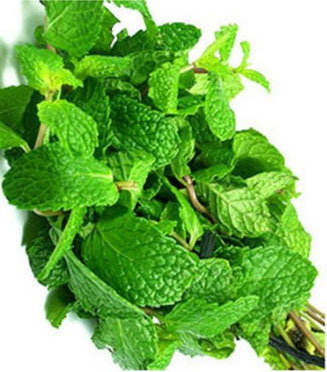
Botanically, the herb belongs to the Lamiaceae family, in the genus; Mentha, and botanically named as Mentha piperita. It is actually a natural cross hybrid between the water mint (Mentha aquatica) and spearmint (Mentha spicata).
 |
| Mint herb |
Peppermint herb is originally native to Europe and nowadays cultivated in almost all the regions of the world. It grows well under shady conditions and features lance-shaped purple-veined, dark-green leaves with serrated margins and purple-colored, whorly flowers.
In general, the mint herb is a sterile plant and cannot produce seeds. However, it grows through vegetative reproduction- spreading laterally all along through its underground rhizomes.
There exist more than 20 varieties of mint herbs with a wide range of colors, fragrances, and flavors.
Here are some mint herbs apart from the popular peppermint and spearmint herbs:
Pineapple mint (M.suaveolens),
Ginger mint (M. x gentilis),
Japanese mint M. arvensis var.piperascens),
Corn mint (M. arvensis),
Bergamot or horsemint (M. Piperita var.citrata).
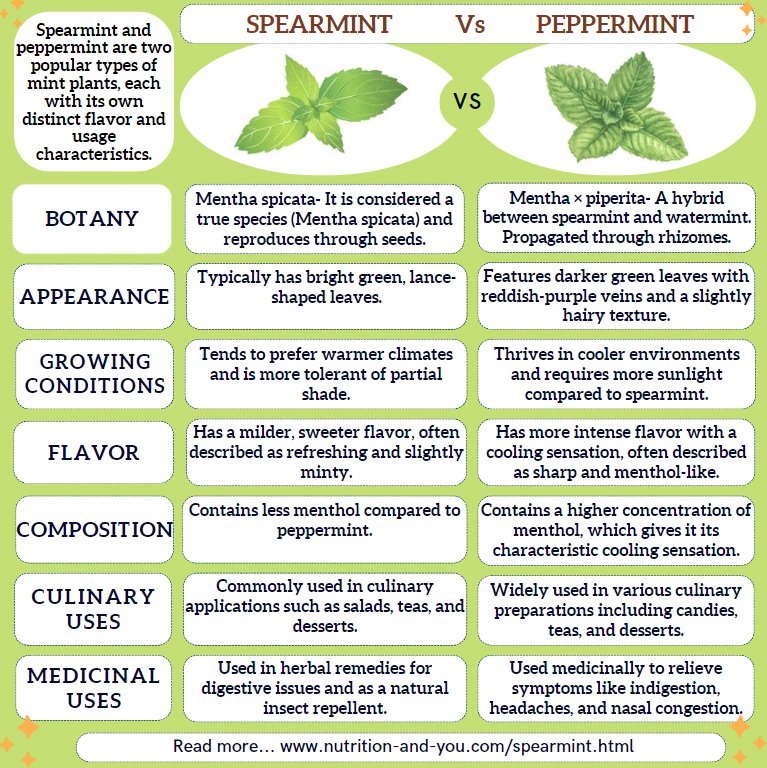
See the differences between spearmint and peppermint plants depicted in an infographic.:
 |
7 Amazing Health Benefits of Peppermint
Mint composes many plant-derived chemical compounds that are known to have anti-oxidant, disease-preventing, and health-promoting properties. Total antioxidant strength (ORAC) of fresh peppermint herb is 13,978 µmol TE/100 g.
The mint herb contains no cholesterol; however, it is rich in essential oils, vitamins, and dietary fiber, which helps to control blood cholesterol and blood pressure inside the human body.
The herb parts contain many essential volatile oils like menthol, menthone, menthol acetate. These compounds affect cold-sensitive receptors in the skin, mouth, and throat, the property that is responsible for the naturally refreshing, cooling sensation that it initiates when inhaled, eaten, or applied to the skin.
The essential oil, menthol also has analgesic (painkiller), local anesthetic and counter-irritant properties.
Research studies have also suggested that the compounds in peppermint relax the intestinal wall and sphincter smooth muscles by blocking calcium channels at cell receptor levels. This property of mint has been exploited as an anti-spasmodic agent in the treatment of "irritable bowel syndrome" (IBS) and other colic pain disorders.
Peppermint herb is an excellent source of minerals like potassium, calcium, iron, manganese, and magnesium. 100 g fresh herb provides 569 mg of potassium. Potassium is an important component of cells and body fluids that helps control heart rate and blood pressure. Manganese and copper work as cofactors for the antioxidant enzyme, superoxide dismutase.
Further, it is rich in many antioxidant vitamins, including vitamin A, β- carotene, vitamin C, and vitamin E. The leaves of mint also contain many essential B-complex vitamins like folates, riboflavin, and pyridoxine (vitamin B-6); and the herb is an excellent source of vitamin K.
| Principle | Nutrient Value | Percent of RDA |
|---|---|---|
| Energy | 70 Kcal | 3.5% |
| Carbohydrates | 14.79 g | 11% |
| Protein | 3.75 g | 7% |
| Total Fat | 0.94 g | 3% |
| Cholesterol | 0 mg | 0% |
| Dietary Fiber | 8 g | 20% |
| Vitamins | ||
| Folates | 114 µg | 28% |
| Niacin | 1.706 mg | 10.5% |
| Pantothenic acid | 0.338 mg | 6.5% |
| Pyridoxine | 0.129 mg | 10% |
| Riboflavin | 0.266 mg | 20% |
| Thiamin | 0.082 mg | 7% |
| Vitamin A | 4248 IU | 141% |
| Vitamin C | 31.8 mg | 53% |
| Electrolytes | ||
| Sodium | 31 mg | 2% |
| Potassium | 569 mg | 12% |
| Minerals | ||
| Calcium | 243 mg | 24% |
| Copper | 329 µg | 36% |
| Iron | 5.08 mg | 63.5% |
| Magnesium | 80 mg | 20% |
| Manganese | 1.176 mg | 51% |
| Zinc | 1.11 mg | 10% |
Selection and storage
Fresh as well as dried peppermint leaves can be available in the market year-round. Buy fresh mint, whenever possible, since it is superior in flavor and rich in phytonutrients, vital vitamins, and antioxidants than dried mint. Fresh mint should feature vibrant green leaves and firm stems. They should be free from dirt, molds, dark spots, or yellow discoloration.
Just as with other dried herbs, whenever you purchase dried mint, try to buy the one raised on organic farms to ensure that it is free from pesticide residues and radiation.
Fresh mint leaves should be stored inside the refrigerator; place in a zip pouch or wrapped in a slightly dampened paper towel. Dried mint can be kept fresh for a few months when stored in a tightly sealed glass container in a cool, dark, and dry place.
Medicinal uses
As mentioned above, essential oils in peppermint act on cold-sensitive receptors in the skin, mouth, and throat; the property that is responsible for the cooling perception it elicits when inhaled, eaten, or applied to the skin. This character of the mint herb can be availed in the preparations of cough/cold relieving remedies like syrups, lozenges, and nasal inhalers.
Peppermint oil has analgesic, local anesthetic, and counter-irritant properties. It has been used in the preparation of topical muscle relaxants, and analgesics.
It is also being used in oral hygiene products and bad breath remedies like mouthwash, toothpaste, mouth, and tongue-spray, and more generally as a food flavoring agent; for instance, in chewing gums, candy, etc. (Medical disclaimer).
Culinary uses
Peppermint should be washed thoroughly in the water in order to remove sand, and dirt and to rid of any residual pesticides. Mint is generally added at the final stages of preparation to keep the fragrance and aromatic flavor of recipes intact.
Mint leaves are used extensively in the preparation of herbal tea, especially in Middle-Eastern countries.
It is also employed as a flavoring base for ice cream and other confectionery.
Along with parsley and coriander leaves, mint leaves can be used as a garnish.
Mint has also been used in the preparation of chutney, soups, and sauces.
Freshly chopped mint leaves can be a great addition to the green salad.
Safety profile
Individuals with gastroesophageal reflux disease (GRD) are advised to limit peppermint use in their diet since the compounds in mint leaves may relax smooth muscles in the esophageal wall and sphincters by blocking calcium channels in them, which can aggravate their reflux condition. (Medical disclaimer).
≻≻-Back to Herbs from Peppermint. Visit here for an impressive list of all varieties of herbs with complete illustrations of their nutrition facts and health benefits.
≻≻-Back to Home page.
Further Resources:
USDA National Nutrient Database. (opens in new window).
Stanford School of Medicine Cancer information Page-Nutrition to Reduce Cancer Risk (Link opens in new window).