Kiwi Fruit Nutrition Facts
Kiwi fruit, alternatively known as Chinese gooseberry, boasts a delectable taste and is rich in beneficial phytochemicals, vitamins, and minerals. This uniquely flavorful berry originates from the Shaanxi province in Eastern China, earning it the prestigious title of National Fruit of China.
The kiwifruit plant is a deciduous, semi-tropical vine, characterized by its substantial woody structure, and is classified under the Actinidiaceae family within the genus Actinidia, with its scientific name being Actinidia chinensis.
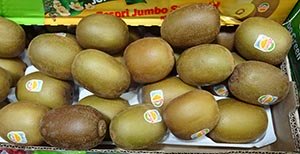 |
| Kiwifruit-Actinidia chinensis. |
History
The journey of the humble kiwifruit from mainland China to Oceania, and thence to different regions is quite fascinating! In the early years of the twentieth century, kiwifruit seeds were transported by missionaries to New Zealand, where they took root and became a staple crop. From there, they spread across the globe, now cultivated on a commercial scale in Europe and even reaching as far as California.
Each season, spanning from September to November, the kiwi vine yields numerous oval-shaped, fuzzy, brown fruits. These kiwi berries are roughly the size of a large hen’s egg, weighing up to 125 g each. Internally, their emerald-green flesh is tender and succulent, adorned with rows of small, black, edible seeds. Their texture is akin to that of strawberries or sapodilla, while their flavor offers a delightful blend reminiscent of strawberries and pineapple.
Alongside the traditional green kiwifruit variety, several other cultivars have found their place in orchards. The "Hardy kiwifruit" (A. arguta), also referred to as the "baby kiwi," is smaller than its fuzzy counterpart (A. deliciosa), resembling a large grape with smooth, edible green skin. Inside, the "hardy kiwi fruit" shares the color and texture of its fuzzy counterpart but boasts a more intense flavor and sweetness.
The Golden Kiwifruit, a product of agricultural research in New Zealand utilizing hybrid techniques, features smooth, sparse hairs, bronze skin, a pointed cap at one end, and distinctively golden-yellow flesh with a less tart and more tropical flavor than the traditional green variety. Commercially, it commands a higher market value than its green counterpart.
Health Benefits of Kiwi Fruit
Moderate Calorie Content: Kiwifruit is a berry with moderate calorie content. A 100 g serving contains 61 calories, similar to grapes. Despite this, it boasts numerous health benefits due to its antioxidants, minerals, vitamins, and fiber.
Rich in Soluble Dietary Fiber: Kiwi fruit is a good source of soluble dietary fiber, providing 3.8 g per 100 g or 10% of the Recommended Dietary Allowance (RDA). This fiber acts as a bulk laxative, protecting the colon mucosa by reducing toxin exposure and binding to cancer-causing chemicals.
High in Vitamin C: Kiwifruit is an excellent source of antioxidant vitamin C, offering 154% of the Daily Recommended Intake (DRI). Consumption of vitamin C-rich foods helps the body build resistance against infections and neutralize harmful free radicals.
Abundance of Antioxidants: Kiwi fruit contains healthy levels of vitamins A, E, K, and flavonoid antioxidants such as ß-carotene, lutein, and xanthins. Vitamin K aids in bone mass building and has potential benefits for Alzheimer's disease patients by limiting neuronal damage.
Potent Antioxidant Strength: Kiwifruit boasts a total antioxidant strength measured by Oxygen Radical Absorbance Capacity (ORAC) of 1210 µmol TE/100 g.
Natural Blood Thinner: Certain compounds in kiwi fruit act as natural blood thinners similar to aspirin, reducing the risk of clot formation in blood vessels and protecting against stroke and heart attack.
Rich in Omega-3 Fatty Acids: Kiwi fruit seeds are an excellent source of omega-3 fatty acids, which may lower the risk of coronary heart disease, stroke, and developmental disorders in children.
Heart-Healthy Potassium: Fresh kiwi fruit is a rich source of potassium, with 100 g containing 312 mg or 7% of the daily recommended intake. Potassium helps regulate heart rate and blood pressure by counteracting the effects of sodium.
Contains Essential Minerals: Kiwifruit also provides essential minerals like manganese, copper, iron, and magnesium. Manganese acts as a co-factor for the antioxidant enzyme superoxide dismutase, while magnesium contributes to bone strength alongside calcium.
| Principle | Nutrient Value | Percent of RDA |
|---|---|---|
| Energy | 61 Kcal | 3% |
| Carbohydrates | 14.66 g | 11% |
| Protein | 1.14 g | 2% |
| Total Fat | 0.52 g | 2% |
| Cholesterol | 0 mg | 0% |
| Dietary Fiber | 3 g | 8% |
| Vitamins | ||
| Folates | 25 µg | 6% |
| Niacin | 0.341 mg | 2% |
| Riboflavin | 0.025 mg | 2% |
| Thiamin | 0.027 mg | 2% |
| Vitamin A | 87 IU | 3% |
| Vitamin C | 92.7 mg | 154% |
| Vitamin E | 1.46 mg | 10% |
| Vitamin K | 40.3 µg | 34% |
| Electrolytes | ||
| Sodium | 3 mg | 0% |
| Potassium | 312 mg | 7% |
| Minerals | ||
| Calcium | 34 mg | 3.5% |
| Copper | 0.130 mg | 14% |
| Iron | 0.31 mg | 4% |
| Magnesium | 17 mg | 4% |
| Manganese | 0.098 mg | 4% |
| Zinc | 0.14 mg | 1% |
| Phyto-nutrients | ||
| Carotene-ß | 52 µg | -- |
| Crypto-xanthin-ß | 0 µg | -- |
| Lutein-zeaxanthin | 122 µg | -- |
Selection and Storage Guidelines
The kiwifruit season typically runs from September to November, with peak quality observed between August and December. It's advisable to harvest only mature fruits and handle them with care when plucking them from the vine.
When unripe, kiwifruits are hard, starchy, and inedible, bearing a close resemblance to sapodilla (sapote) fruit.
To ripen raw kiwifruits, place them in a plastic bag for 4-6 days. Accelerate the ripening process by storing them in a paper bag alongside an apple, banana, or pears.
When selecting kiwifruits at the store, opt for specimens with intact skin, devoid of any surface blemishes or cuts. Ripe kiwis will yield to gentle pressure when pressed with the thumb. Once ripe, they have a short shelf life and are prone to damage if left exposed at room temperature. To prolong shelf life, store them in the refrigerator at the appropriate humidity level.
Preparation and Serving Techniques
Fresh, delectable, and juicy kiwifruit can be enjoyed as is. Simply wash it under cold running water. Its peel is not only edible but also nutritious. After cutting, consume the slices promptly, as they tend to become soggy when exposed to air for too long.
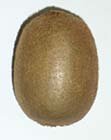 |
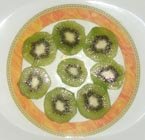 |
| Kiwifruit-Actinidia chinensis. Note for fuzzy, brown outer surface. | Kiwifruit sections. Notice the petite black seeds arranged in a radial pattern. The emerald green flesh is tender and succulent. |
Here are some serving tips:
Kiwifruits are so delightful on their own that they require no additional seasoning or accompaniments. Savor their rich, distinctive flavor.
Pair sliced kiwifruit with strawberries and yogurt, as their flavors naturally complement each other.
Create a sauce by combining sliced kiwifruit and pineapple, ideal for marinating chicken breast and boiling. The active compound, actinidin, found in kiwifruit, aids in tenderizing meat.
Explore the fruit's use in crafting New Zealand's beloved dessert, Pavlova.
Incorporate kiwifruit into recipes such as muffins, cheesecakes, party cakes, pies, juice, and jellies.
Enjoy dried kiwi slices as a snack or add them to fruit salads and ice creams for an extra burst of flavor.
Safety profile
Allergic reactions to kiwi fruit are uncommon. Both pregnant mothers and children can safely consume them.
While consuming kiwi skin typically doesn't lead to adverse effects, many individuals prefer to discard it due to personal preference. Baby kiwis, however, can be enjoyed with their skin, similar to grapes and kumquats.
(Medical disclaimer)..
Read further on..
≺≺ How Can I Get Rid of Pain Naturally?
≻≻-Back to Fruits from Kiwi Fruit nutrition. Visit here for an impressive list of all varieties of fruits with complete illustrations of their nutrition facts and health benefits.
≻≻-Back to Home page.
Further reading and Resources:
Stanford School of Medicine Cancer information Page- Nutrition to Reduce Cancer Risk.