Almonds Nutrition Facts
Almonds are well-known for their delicious nutty taste and satisfying crunch, making them a timeless symbol of health and vitality. These kernels are a rich source of beneficial plant-based nutrients.
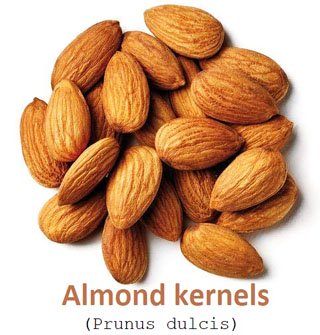
Botanically, almonds are derived from a medium-sized tree belonging to the Rosaceae family and the genus Prunus. Their scientific name is Prunus dulcis.
|
The almond tree, believed to have originated in mineral-rich West-Asian mountain ranges, is a deciduous tree. It has spread across various regions globally, including the United States, where it is grown commercially.
During spring, the tree blossoms with pinkish-white flowers, which eventually turn into fruits by autumn. These fruits are drupes, containing edible almond nuts enclosed within hard shells.
The almond kernel is characterized by its brown outer skin and creamy-white meat, oval to conical in shape, measuring approximately 2 cm long and 1 cm wide, with each kernel weighing around 1.5 to 2g.
The Health Benefits of Almonds
Almond nuts are abundant sources of protein, omega-3 fatty acids, vitamins, minerals, and various health-promoting antioxidants. They offer a well-rounded nutrient profile crucial for maintaining optimal health and wellness.
Almonds are rich in monounsaturated fatty acids such as oleic and palmitoleic acids, which assist in lowering LDL ("bad cholesterol") levels and elevating HDL ("good cholesterol") levels in the bloodstream. Research indicates that a Mediterranean diet rich in monounsaturated fatty acids (MUFA) can help reduce the risk of coronary artery disease and stroke by promoting a healthy blood lipid profile.
These nuts are an excellent source of vitamin E, containing about 25 mg per 100 grams (approximately 170% of the recommended daily allowance). Vitamin E acts as a potent lipid-soluble antioxidant, safeguarding the integrity of cell membranes in the mucosa and skin while shielding against the detrimental effects of oxygen-free radicals.
Almonds are naturally gluten-free, making them a popular ingredient in the formulation of gluten-free food products. Consequently, these formulations serve as healthy alternatives for individuals with gluten allergies or celiac disease.
In addition to vitamins E and B-complex, almonds are rich in essential minerals like manganese, potassium, calcium, iron, magnesium, zinc, and selenium, which play crucial roles as co-factors for enzymes involved in cellular substrate metabolism within the human body.
Moreover, almond oil extracted from the kernels finds extensive use in culinary practices in regions such as Iran and Turkey. It serves as a primary "carrier or base oil" in traditional medicines, aromatherapy, pharmaceuticals, and cosmetics. Additionally, its application as an emollient in skincare helps maintain skin hydration and protection against dryness when used regularly.
Incorporating a handful of almonds into your daily diet provides significant portions of recommended minerals, vitamins, and protein. Furthermore, almond oil extracted from the nuts is utilized in both culinary and medicinal applications.
For more insights into almond nutrition facts per 100g servings, explore the infographic on this page: Almonds nutrition infographic....
| Principle | Nutrient Value | Percent of RDA |
|---|---|---|
| Energy | 579 Kcal | 29% |
| Carbohydrates | 21.55 g | 16% |
| Protein | 21.15 g | 38% |
| Total Fat | 49.93 g | 165% |
| Cholesterol | 0 mg | 0% |
| Dietary Fiber | 12.50 g | 30% |
| Vitamins | ||
| Folates | 44 µg | 12.5% |
| Niacin | 3.618 mg | 21% |
| Pantothenic acid | 0.47 mg | 9% |
| Pyridoxine | 0.137 mg | 11% |
| Riboflavin | 1.138 mg | 78% |
| Thiamin | 0.205 mg | 16% |
| Vitamin A | 2 IU | 0% |
| Vitamin C | 0 mg | 0% |
| Vitamin E | 26 mg | 173% |
| Electrolytes | ||
| Sodium | 1 mg | 0% |
| Potassium | 733 mg | 15% |
| Minerals | ||
| Calcium | 269 mg | 27% |
| Copper | 0.996 mg | 110% |
| Iron | 3.71 mg | 46.5% |
| Magnesium | 270 mg | 67% |
| Manganese | 2.285 mg | 99% |
| Phosphorus | 481 mg | 69% |
| Selenium | 2.5 µg | 4.5% |
| Zinc | 3.12 mg | 28% |
| Phyto-nutrients | ||
| Carotene-ß | 1 µg | -- |
| Crypto-xanthin-ß | 0 µg | -- |
| Lutein-zeaxanthin | 1 µg | -- |
Selection and storage

|
| Raw, dry almonds-unshelled. Note edible kernel inside. |
Almonds are readily available in markets throughout the year. However, various forms of almonds are typically showcased for sale in stores, including shelled and unshelled (with the outer shell), salted, sweetened, or powdered (almond flour/meal), among others.
When making a purchase, seek for kernels with a vibrant brown hue, uniform and compact in shape, and a substantial weight when held. Ensure they are free from any cracks, mold, spots, or unpleasant odors.
For storage, unshelled whole almonds can be kept in a cool, dry area for several months. Conversely, shelled kernels should be stored in an airtight container within the refrigerator to prevent them from becoming rancid.
Culinary uses
 <
<Processing units typically utilize large cracker machines to open raw whole nuts. For domestic purposes, smaller shelling equipment or handheld pliers are usually sufficient.
Consider these serving tips:
Almonds can be enjoyed raw, salted, or sweetened.
They possess a nutty yet pleasantly sweet taste. Sweetened almond milk, known as Badam milkshake, is a popular refreshing beverage in India and other South Asian countries.
Almonds are highly favored nuts used in various rice dishes, both savory and sweet preparations, across the Middle-Eastern region.
Almond splits are commonly sprinkled over desserts, particularly sundaes and other ice cream concoctions.
They are extensively used in confectionery, added to cookies, biscuits, sweets, energy bars, and cakes. In France, almond meal is a key ingredient in the beloved cake known as frangipane.
Blanched kernels are also utilized to create almond butter, providing an excellent alternative for those allergic to peanuts.
Green, mature almonds are exceptionally delectable! These edible, young, tender nuts make an appearance in farmer markets by late spring. To enjoy them, simply cut open the outer green cover with a paring knife and savor the sweet, cream-white kernel inside!
Safety Profile
Almond nut allergy, although less common compared to other tree nut allergies such as cashews and pistachios, can still cause hypersensitivity cross-reactions in certain individuals to food items containing almonds.
Symptoms may vary in type and severity, including vomiting, diarrhea, abdominal pain, swelling of the lips and throat leading to breathing difficulties, and chest congestion. Therefore, caution is advised for individuals with nut allergic syndrome when consuming food items containing almond nuts. (Disclaimer)
≺≺ -Back to Nuts and Seeds from Almonds. Visit here for an impressive list of nuts and seeds with complete illustrations of their nutrition facts and health benefits.
≺≺ -Back to Home page.
Further resources: